
In the world of architecture and design, scale models are often seen as a luxury or unnecessary expense. Many people outside the industry may not fully understand the importance of these models. However, the reality is that almost every business can benefit from the precision and clarity that a well-crafted scale model provides. Whether it’s for a building, equipment, or a shopping mall, the concept model plays an invaluable role. Today, let’s focus on the purpose and benefits of concept architectural models.

Why Do We Need Concept Models?
When a designer begins working on a project, such as a building or other large-scale structures, they often have little more than a rough idea of what they want to create. The journey from concept to finished design involves many steps and iterations, and one of the most important tools in this process is the concept architectural model.
Concept models are physical representations of the designer’s vision—transforming abstract ideas into 3D models that can be touched, viewed, and studied from all angles. This is especially useful in architecture, where the scale, proportions, and flow of space are critical components. No matter how advanced computer software becomes, nothing compares to the clarity and impact of a tangible model.
Benefits of Concept Architectural Models
- Visualization
Concept models allow architects, designers, and clients to physically see a building or structure in 3D, making it easier to visualize how the project will fit into the surrounding environment. This helps refine design elements and ensures that the vision is effectively communicated. - Quick Iterations
While detailed, final architectural models may take longer to produce, concept models are relatively quick to make—often requiring only a few days. This allows for faster iterations, helping the design team to tweak and modify their ideas efficiently without spending excessive time or money on early-stage designs. - Better Decision-Making
When a client or team can hold a concept model in their hands, they can better understand the design’s strengths and weaknesses. This leads to more informed decision-making, saving time and reducing errors later in the process. - Affordable and Efficient
Unlike highly detailed models, concept models focus on the overall structure and layout, making them more cost-effective and less time-consuming. This makes them ideal for early-stage design discussions, whether for new buildings, public spaces, or commercial developments.
Concept Models: The Bridge Between Idea and Reality
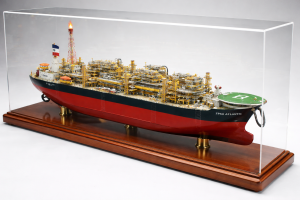
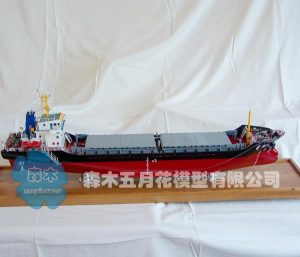
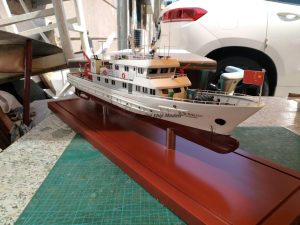
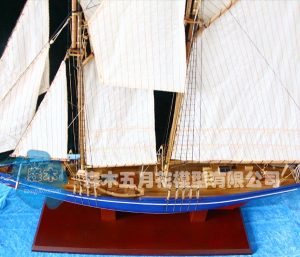
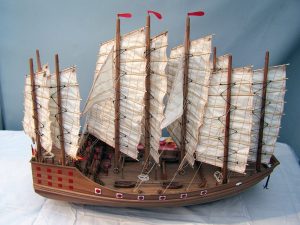
At Marine Ship Models, we specialize in creating concept models for a variety of industries, including architecture, shipbuilding, and urban planning. Whether you’re an architect seeking to communicate your design or a developer wanting to visualize a new project, we can help bring your ideas to life with precision and artistry.
Visit us online to learn more about our concept model services:
- Explore our concept model making services
- Check out our past projects and case studies
- Contact us to discuss your model-making needs
Whether you’re working on an architectural design, a city planning project, or a vessel prototype, Marine Ship Models offers the experience and expertise to turn your ideas into tangible, impactful models.
For more information on conceptual models and how they can benefit your business, visit Marine Ship Models today!
 English
 Dansk
 Deutsch
 한국어
 Français
 Italiano
 Suomi
 Bahasa Indonesia
 日本語
 Polski
 Português do Brasil
 简体中文
 Türkçe


