
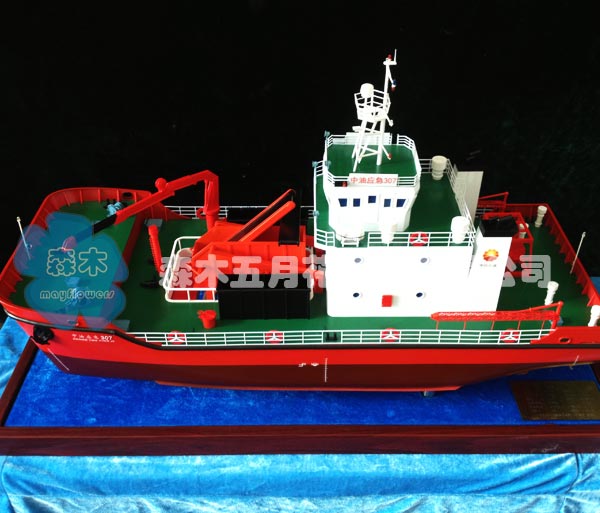
An offshore rig model refers to a detailed representation of an offshore oil and gas drilling platform. This model can take various forms depending on its purpose—ranging from physical scale replicas to advanced digital simulations or business operation frameworks. Here’s a breakdown of the different types:

1. Physical Scale Model
A physical offshore rig model is a miniature, high-detail replica used for educational displays, museum exhibitions, or training purposes. These models showcase the structural components of offshore platforms such as:
- Drilling derrick
- Helipad
- Accommodation modules
- Subsea blowout preventers
- Floating or fixed-leg supports (e.g., jack-up, semi-submersible, or FPSO)
These models help students, engineers, or visitors understand rig architecture and layout without needing to visit a real offshore site.
2. 3D CAD or Digital Simulation Model
Used in engineering design, safety analysis, and process simulation, digital offshore rig models are created using CAD software (e.g., AutoCAD, SolidWorks, or AVEVA). These models enable:
- Structural design and stress testing
- Simulation of drilling operations
- Emergency evacuation scenarios
- Maintenance planning and training via VR/AR
Such models are vital for reducing design errors, optimizing operations, and ensuring worker safety.
3. Conceptual/Functional Model
This type of model explains how an offshore rig works and includes all major systems:
- Drilling system (rotary table, drill string, BOP)
- Production system (wellheads, separators, pipelines)
- Support systems (power, water, safety, communication)
Often used in academic or technical training, the conceptual model gives a systems-level understanding of how offshore drilling platforms operate in harsh marine environments.
4. Operational/Business Model
The offshore rig model also applies to business and logistical planning, which includes:
- Rig leasing and day rates
- Crew rotation and supply chain logistics
- Environmental and safety compliance
- Return on investment (ROI) for exploration & production (E&P)
This model is critical for oil & gas companies, investors, and operators planning the financial and operational lifecycle of offshore assets.
The Craftsmanship Behind Marine Ship Models
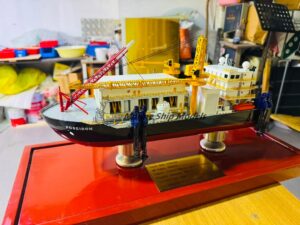
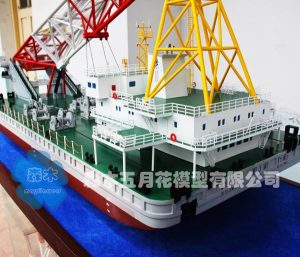
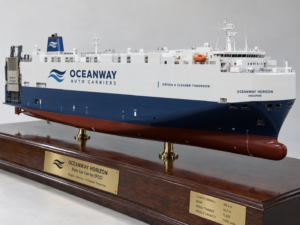
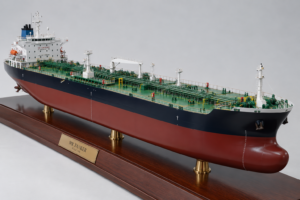
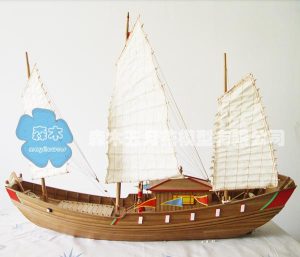
Alta qualidade marine ship models are built using advanced modeling techniques, offering:
- Scale precision (e.g., 1:50, 1:100, or custom scales)
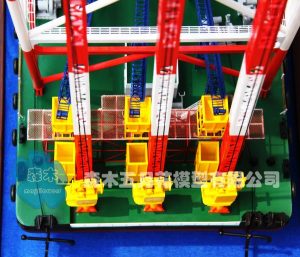
- Realistic materials like etched brass, resin-cast lifeboats, and hand-painted details
- Custom markings including logos, IMO numbers, and rig names
- Optional enhancements like lighting systems, rotatable cranes, or interactive elements
These models are not only visual tools but also powerful educational and promotional assets.
Conclusão
An offshore rig model—especially when paired with precision-built marine ship models—offers a full-scope visualization of offshore energy operations. Whether used for display, engineering, simulation, or decision-making, these models enhance understanding, improve training, and communicate operational complexity with striking clarity.
Would you like to turn this into a marketing brochure, product catalog description, or website content section?


 Português do Brasil
  English
  Dansk
Dansk  Deutsch
  한국어
한국어  Français
  Italiano
  Suomi
Suomi  Bahasa Indonesia
  日本語
日本語  Polski
  简体中文
简体中文  Türkçe