
Architectural models are essential tools for representing buildings and their environments before construction begins. These models provide a comprehensive way to visualize design details, offering a clear perspective from every angle. A well-crafted model can convey your ideas effectively, making a lasting impact on stakeholders and decision-makers. Below are some valuable tips for creating exceptional architectural models.
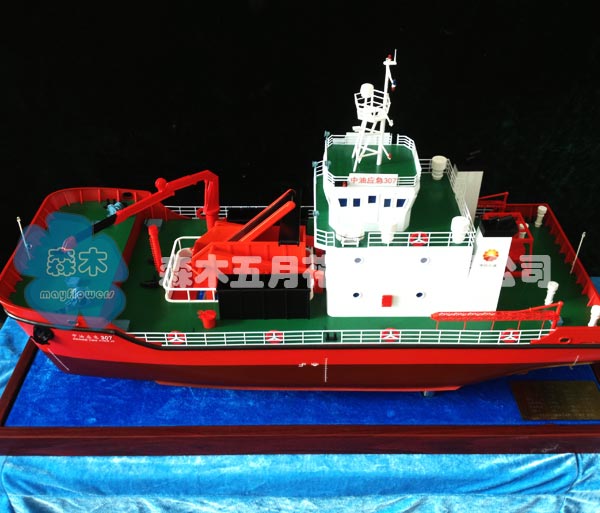
1. Building to Scale
Scale plays a critical role in architectural model construction. Selecting the right scale allows you to highlight design features while keeping the model manageable.
- Residential Models: A 1:50 scale (1/4 inch = 1 foot) is common, providing enough detail for viewers to understand the layout and design.
- Commercial Models: Typically built at a smaller scale, such as 1:100 (1/8 inch = 1 foot), to keep the base compact and emphasize major architectural features.
- Modele wewnętrzne: When focusing on interiors, a 1:25 scale (1/2 inch = 1 foot) is effective for showcasing textures and patterns. Alternatively, a 1:12 scale (1 inch = 1 foot) is ideal for intricate interior elements such as furniture, lighting, and decor.
2. Choosing Materials
The materials you use significantly influence the quality and durability of your model. While expensive materials are not always necessary, a well-thought-out design and proper assembly are essential.
- High-Impact Polystyrene: This versatile plastic is popular among both professionals and hobbyists for its ease of cutting, coloring, and bonding.
- Insulation Foam: Often used for creating model bases, this material can be shaped easily using hot wire cutters. It’s also useful for crafting block buildings in larger site models.
3. Visual Enhancements
Incorporating additional elements into your architectural model can enhance its realism and effectiveness.
- Figures and Objects: Adding miniature people, cars, and other elements provides a sense of scale and activity. For example, figures of children playing can highlight a playground, while shoppers bring life to a commercial model.
- Landscaping: Including trees, pathways, parking lots, and other landscaping features can help viewers relate the model to its real-world context. Landscaping adds depth and realism, making the model feel more like a part of the actual environment.
4. Precision and Detailing
Attention to detail is what sets a great architectural model apart. Whether it’s the color scheme, the placement of windows, or the texture of materials, precision ensures that your model accurately represents your vision.
Why Choose Marine Ship Models?
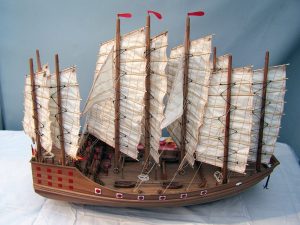
When it comes to creating professional, high-quality architectural models, Modele statków morskich offers unparalleled expertise and craftsmanship. Whether you need a scale model of a residential project, a commercial site, or a detailed interior display, we can bring your vision to life.
Explore Our Services:
- Learn about our custom model-making solutions
- View examples of our detailed architectural models
- Contact us for tailored model-making services
Let us create a miniature world that tells your story! Przy Modele statków morskich, we combine technical precision with artistic flair to deliver models that captivate and inspire. From concept to completion, we ensure every detail is perfect.
Make your next project stand out with a model that truly impresses. Visit Modele statków morskich today to learn more!


 Polski
 English
 Dansk
 Deutsch
 한국어
 Français
 Italiano
 Suomi
 Bahasa Indonesia
 日本語
 Português do Brasil
 简体中文
 Türkçe


