Selecting the right ship model—whether for display, collection, education, or engineering reference—is a task that requires careful consideration of multiple technical and aesthetic factors. Whether you’re a maritime enthusiast, a scale model collector, or a professional in naval architecture, making an informed choice can enhance both the value and utility of your ship model.
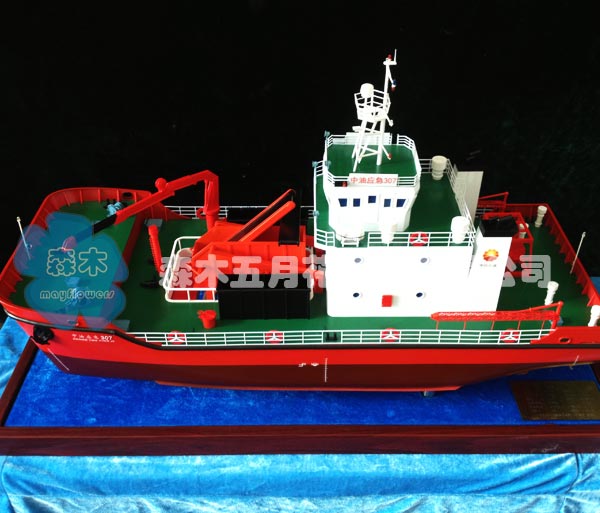
1. Define Your Purpose
Before diving into the market, clarify the purpose of the model:
- Display Models: Focus on craftsmanship and visual appeal.
- Educational Models: Look for historical accuracy and labeled components.
- Engineering Models: Seek scale precision and material properties suitable for simulation or testing.
2. Determine the Scale
Scale is crucial in both visual representation and spatial requirements. Common scales include:
- 1:700 and 1:1200 – Compact, suitable for large fleets or limited spaces.
- 1:350 and 1:200 – Popular for warships; a good balance of detail and size.
- 1:100 or larger – Museum-quality detail, ideal for display or prototyping.
Choose a scale that aligns with your space, budget, and level of detail desired.
3. Materiaalin valinta
Ship models come in a range of materials:
- Plastic – Lightweight and easy to assemble; good for hobbyists.
- Wood – Traditional and elegant, ideal for historic sailing ships.
- Metal/Resin – Durable, often used for premium or custom models.
For professional use, hybrid materials (e.g., resin hull with photo-etched brass details) offer durability and intricate detailing.
4. Consider the Build Type
You can choose between:
- Pre-built Models: Ready-made and often handcrafted; ideal for collectors or business displays.
- Model Kits: Great for hobbyists who enjoy the building process. Kits range from beginner to advanced levels.
- Custom Models: Tailored to exact specifications—common in shipyards or naval design firms.
5. Historical and Structural Accuracy
Ensure that the model accurately represents the ship’s design, from hull dimensions to superstructure layout. For technical uses, it should also reflect displacement, propulsion system layout, and other design characteristics.
6. Budget and Sourcing
High-end models can cost thousands of dollars, especially custom or museum-quality builds. Consider:
- Reputable manufacturers (e.g., Revell, Trumpeter, Amati, BlueJacket).
- Custom builders for unique or historically rare ships.
- Museums or naval institutions for reference-quality pieces.
7. Maintenance and Longevity
If the model is for long-term display, consider UV-resistant coatings, durable materials, and proper mounting. For collectors, safe packaging and climate control are key.
Final Thoughts
Choosing the right ship model is more than picking a beautiful object—it’s about aligning form and function. Whether you’re displaying a famous battleship, studying hull hydrodynamics, or honoring a historic vessel, the right model combines scale, material, accuracy, and craftsmanship to meet your goals.



 Suomi
Suomi  English
  Dansk
Dansk  Deutsch
  한국어
한국어  Français
  Italiano
  Bahasa Indonesia
  日本語
日本語  Polski
  Português do Brasil
  简体中文
简体中文  Türkçe